01
Path-Integrated Fidelity
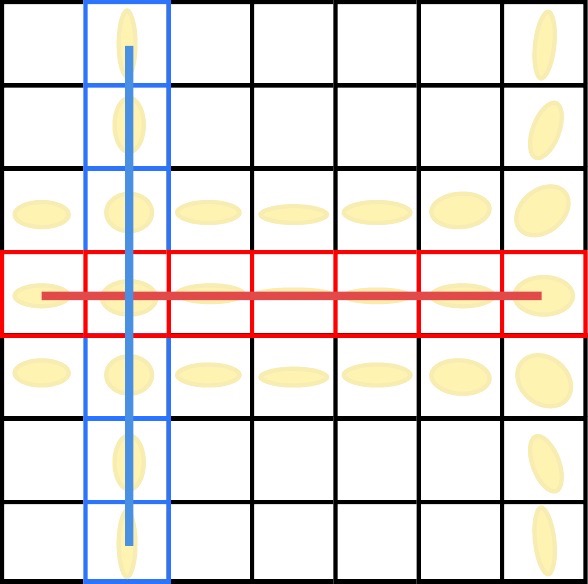
Accumulates local tangent–field agreement along each path into a trajectory-level structural support metric.
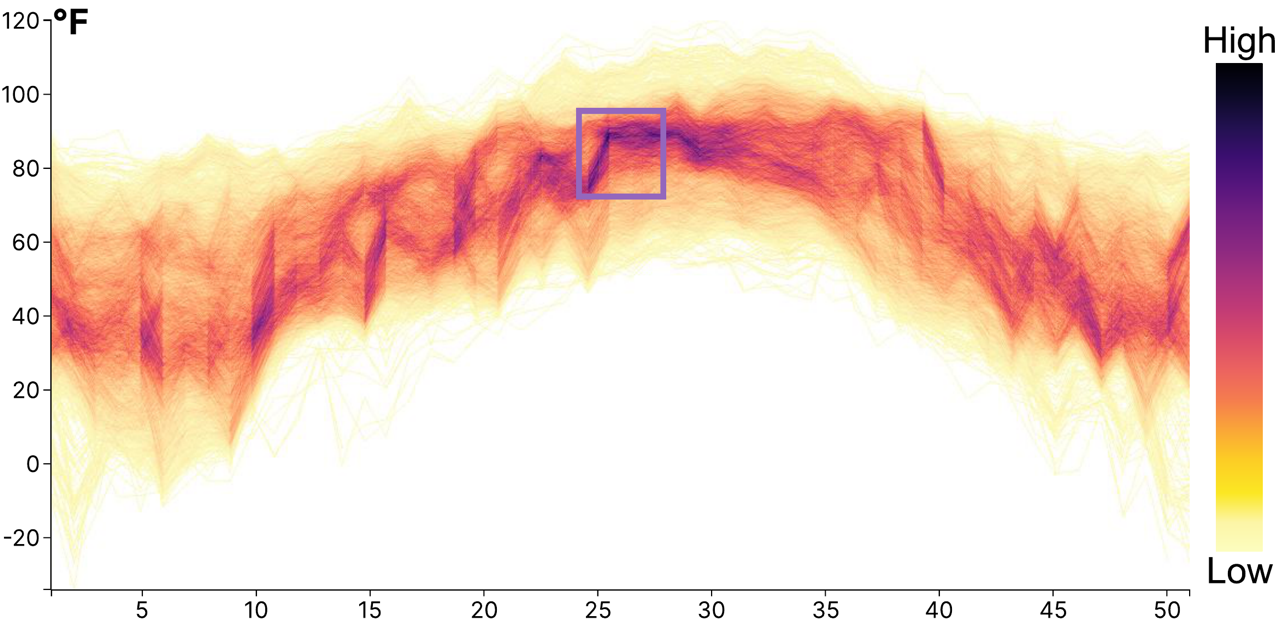
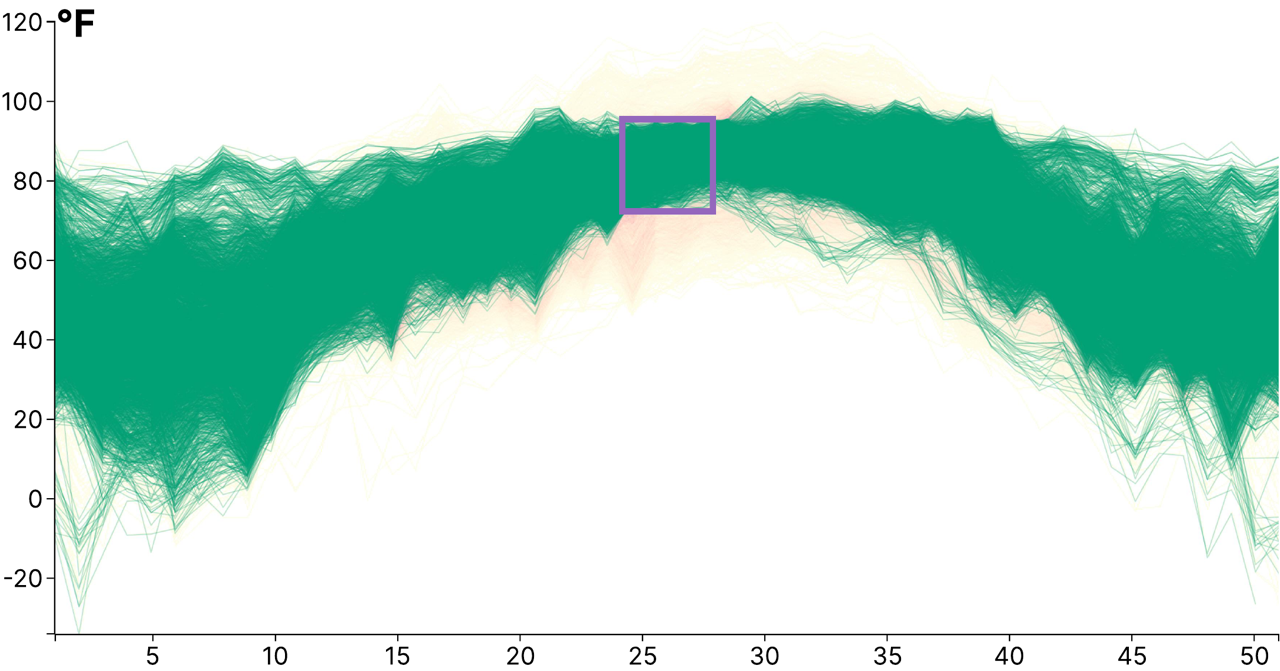
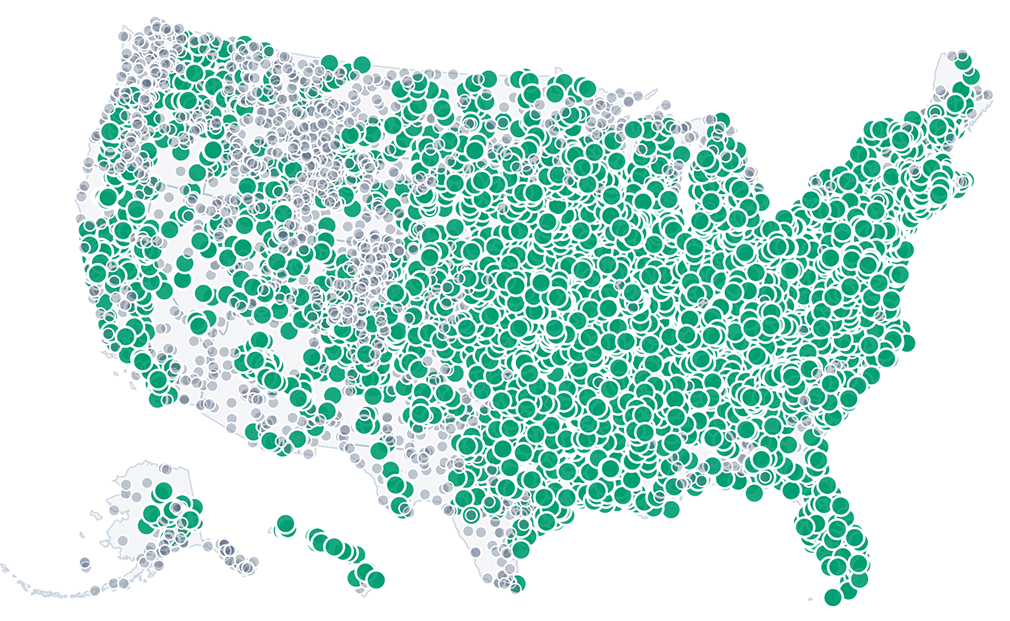
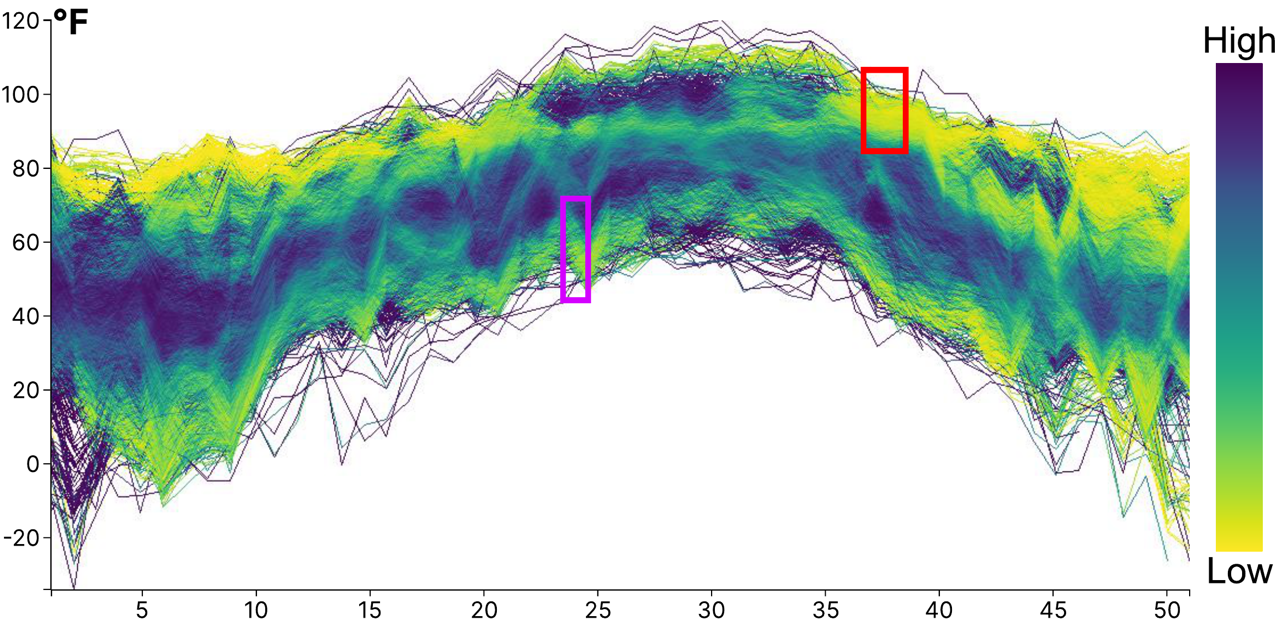
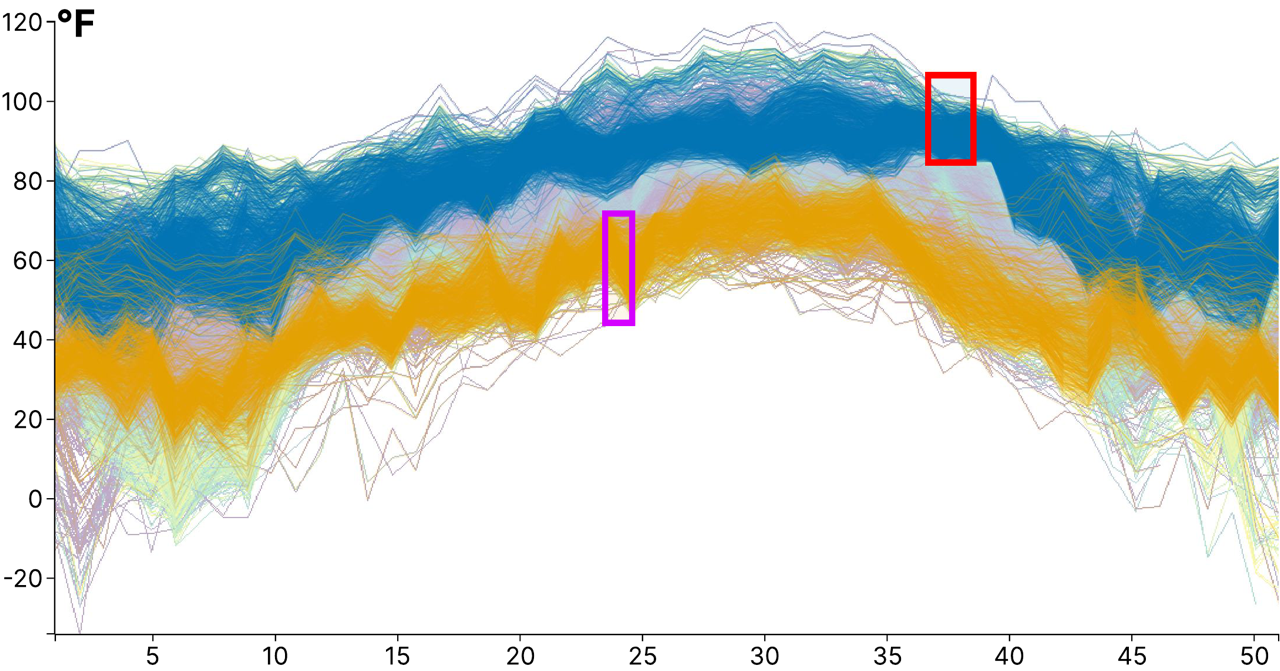
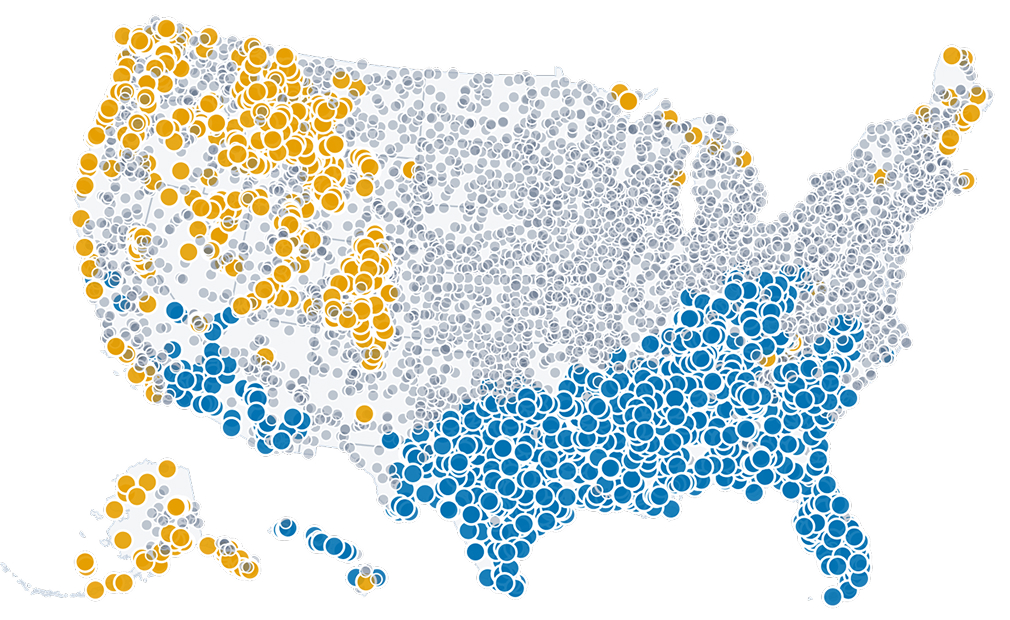
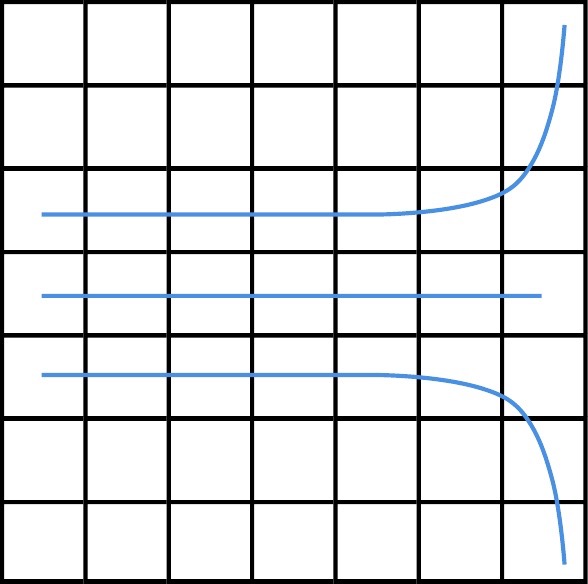
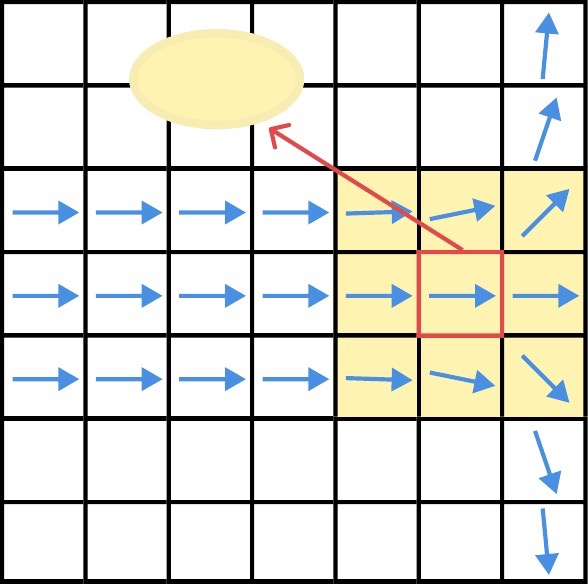
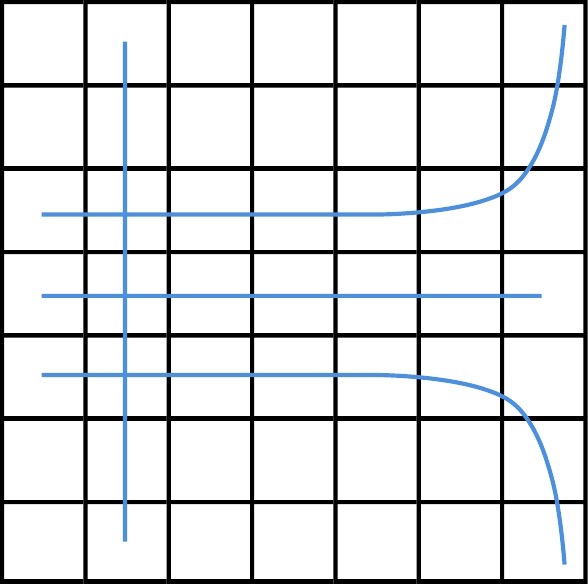
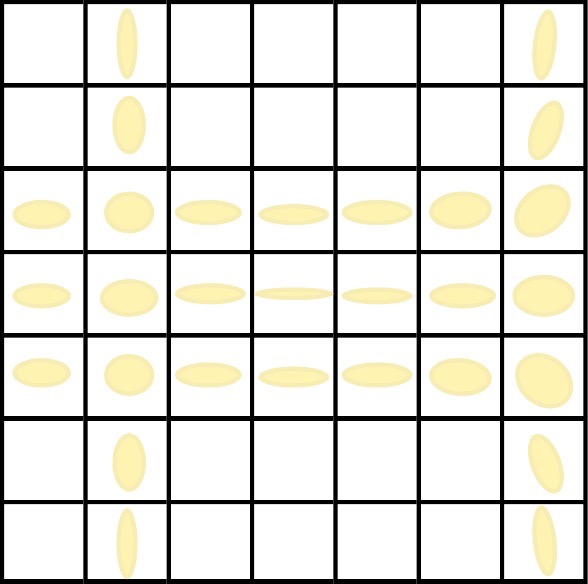
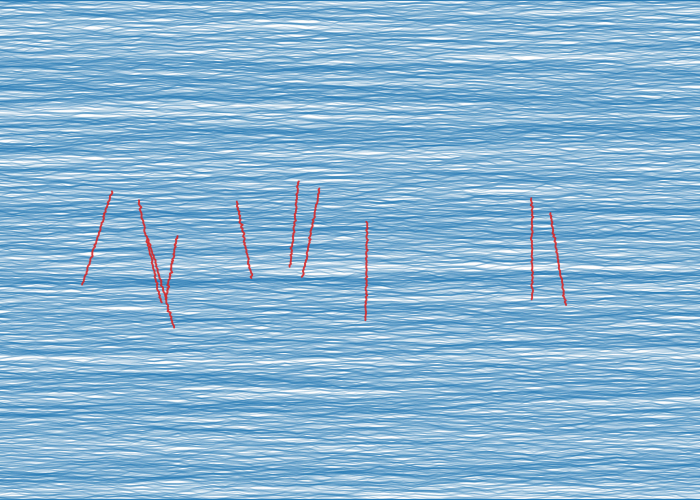
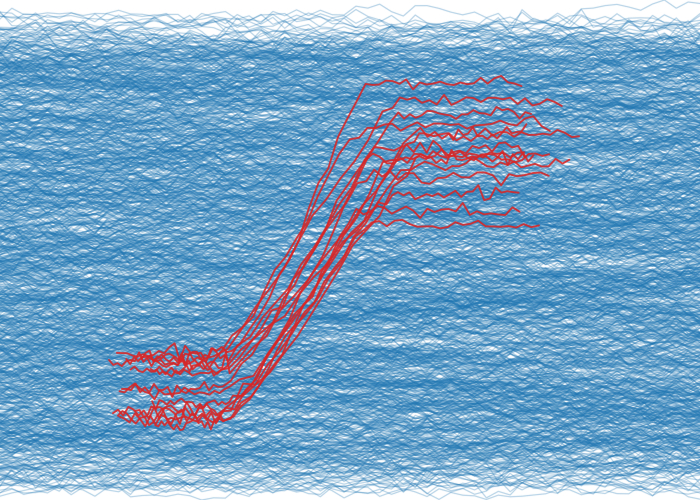
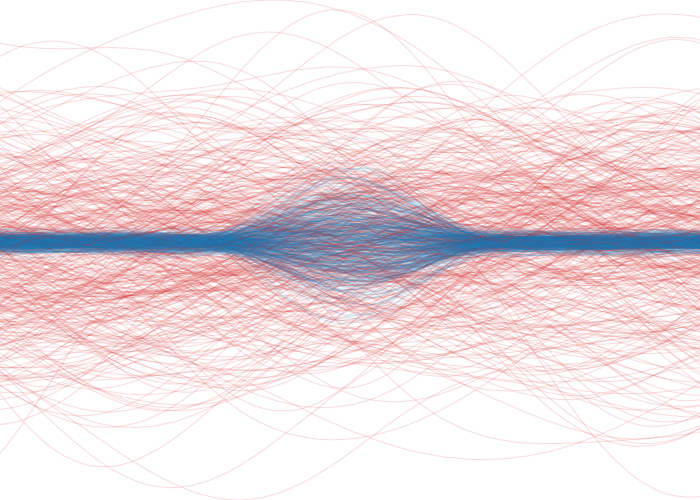
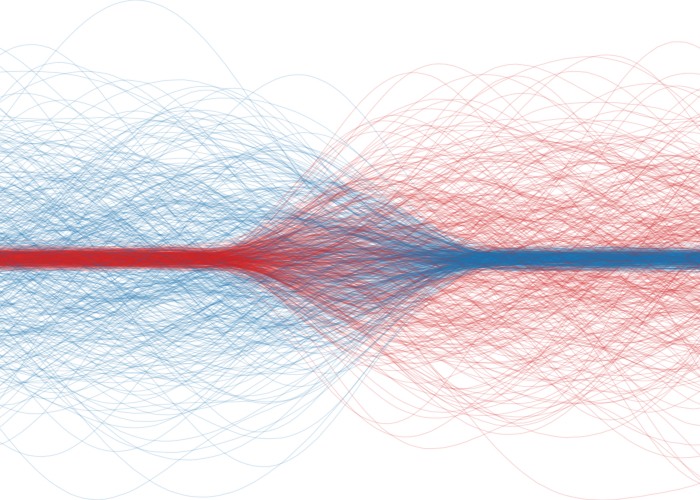
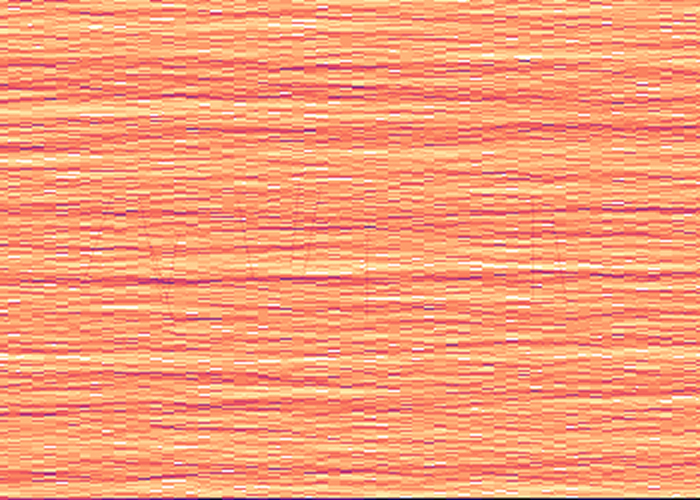
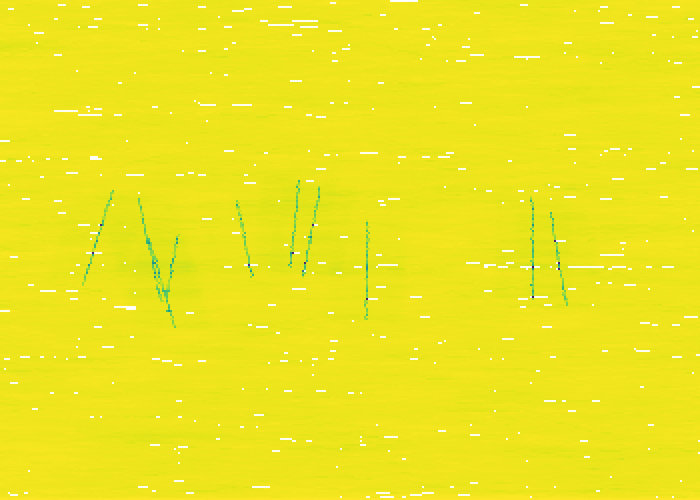
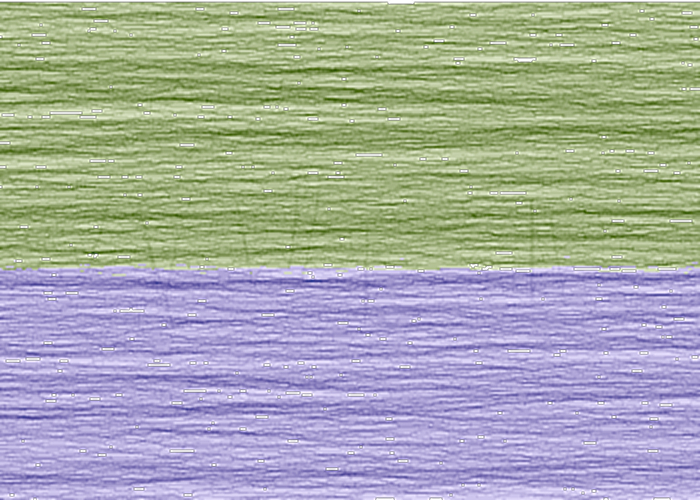
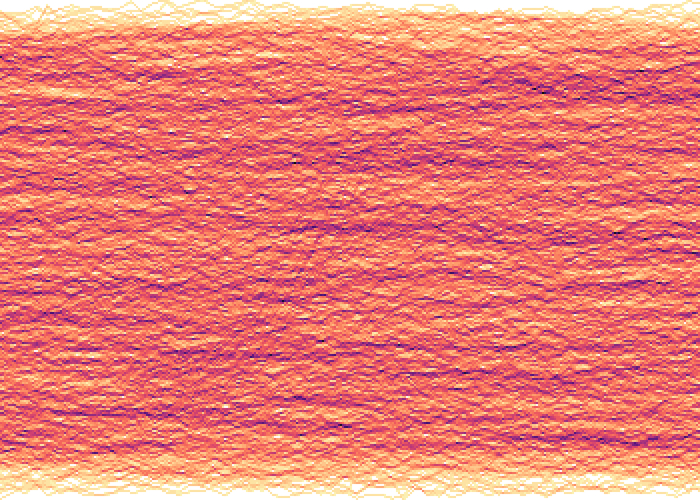
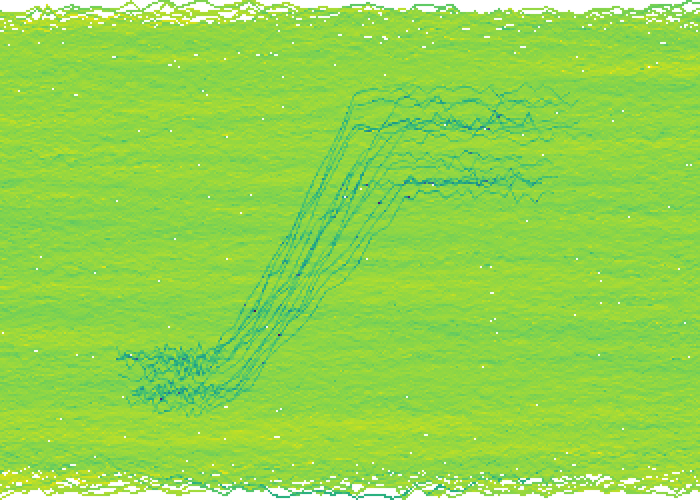
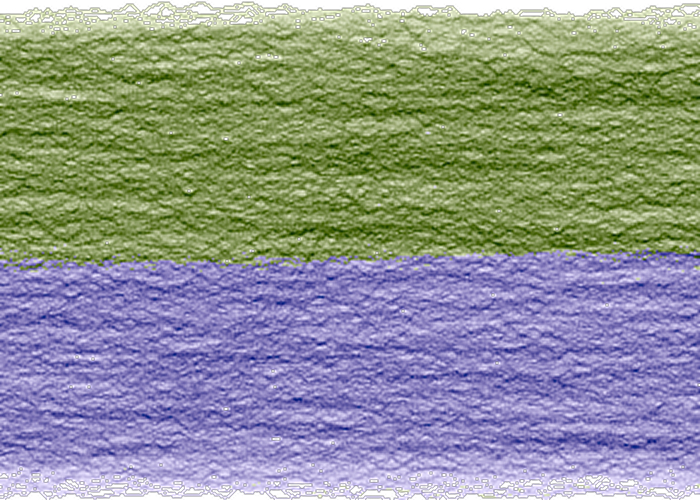
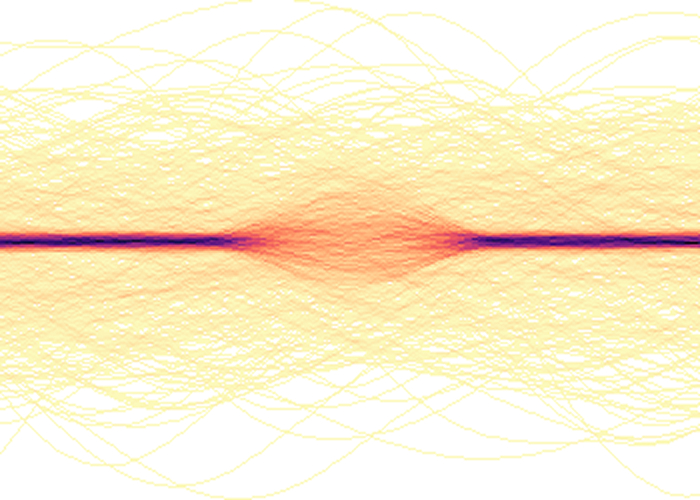
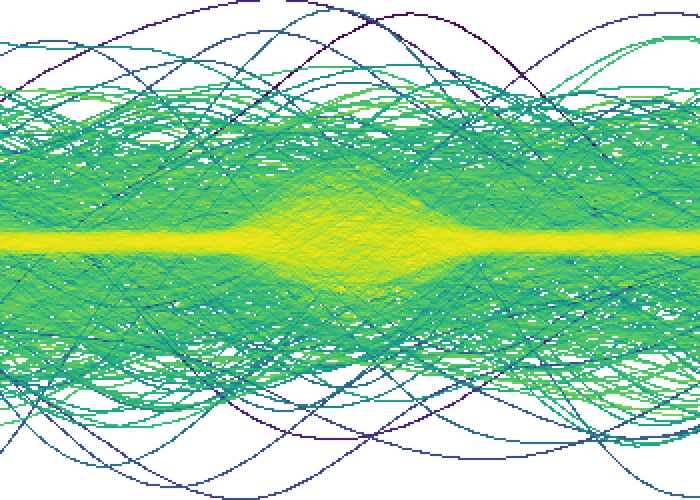
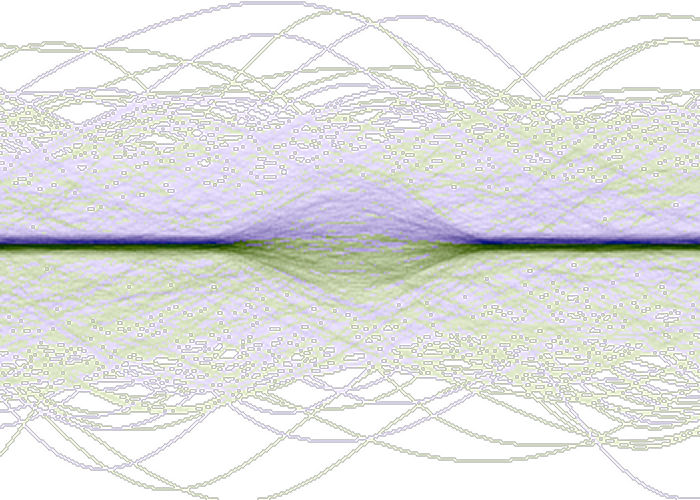
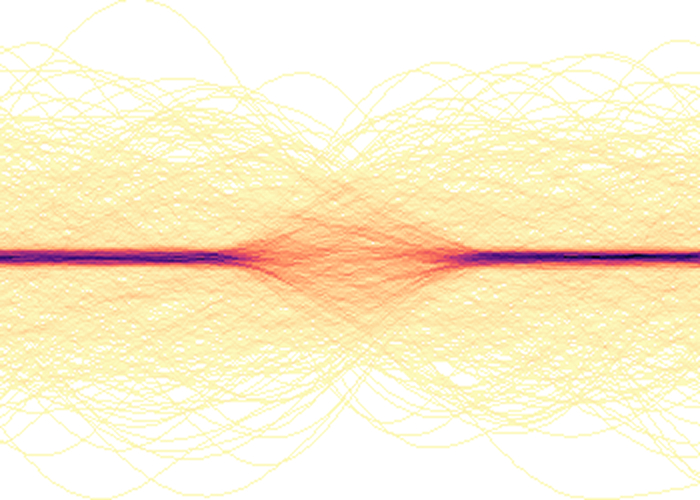
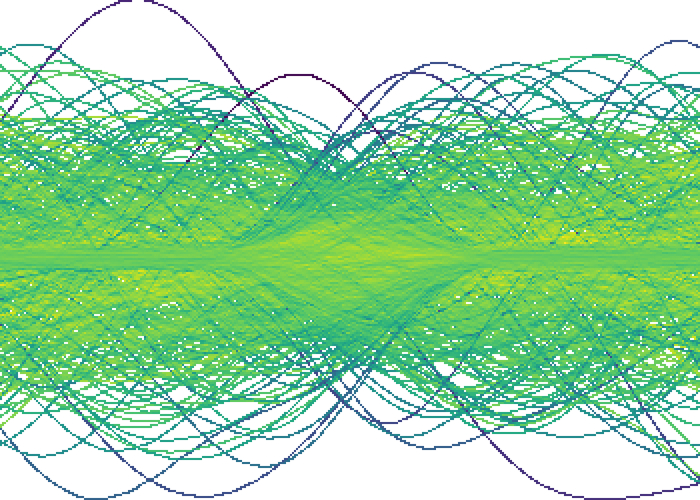
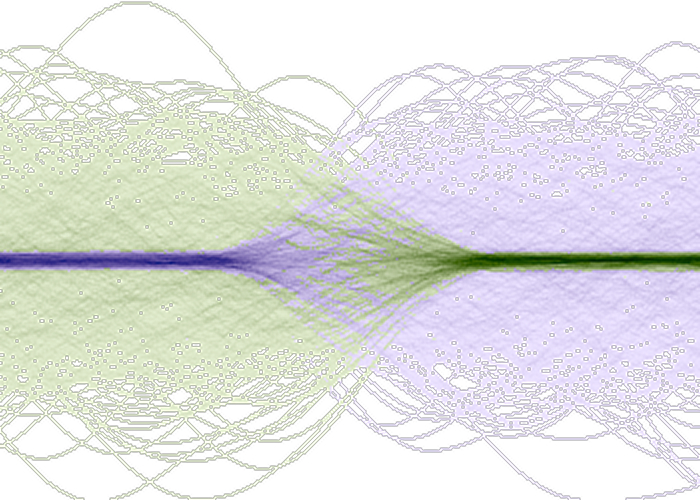
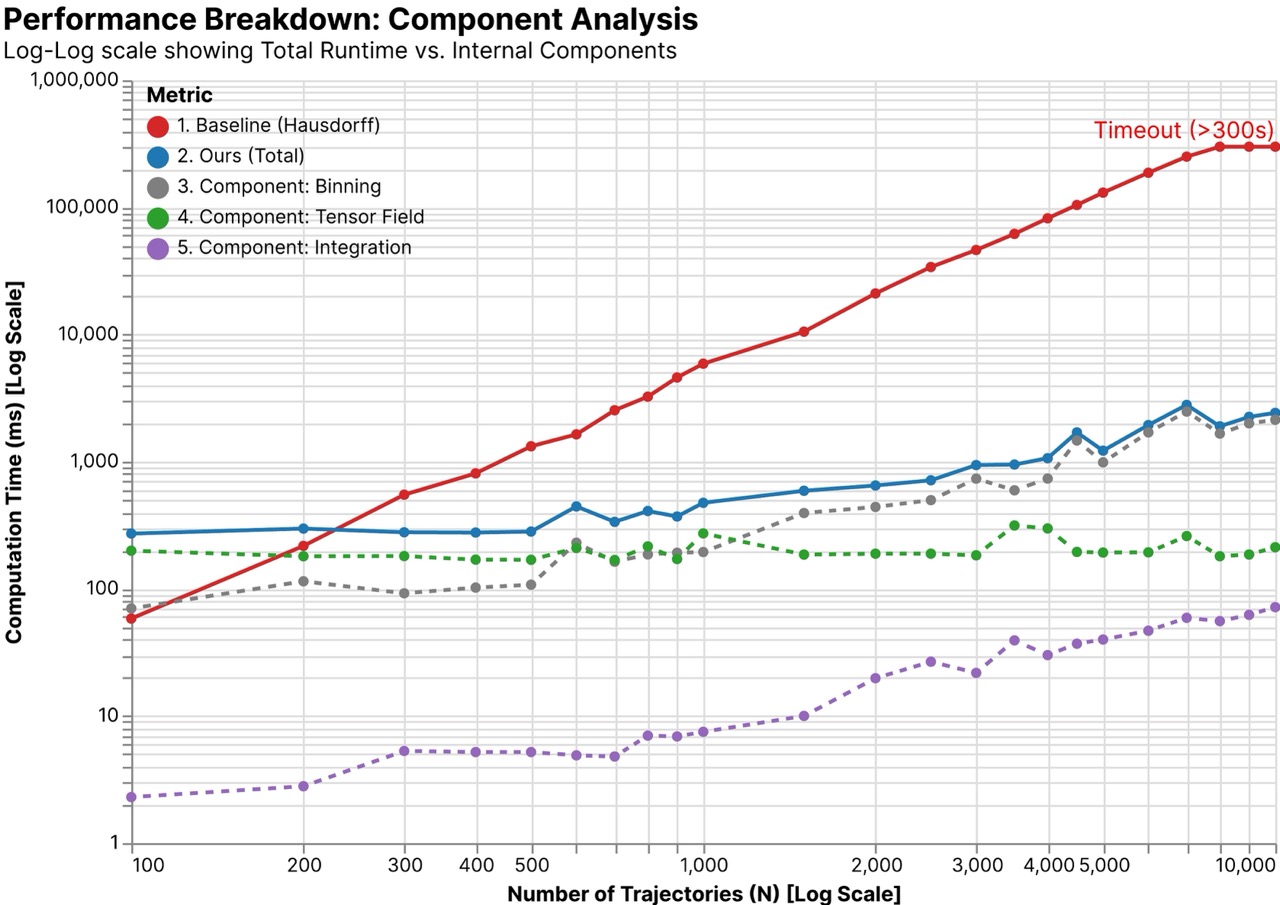
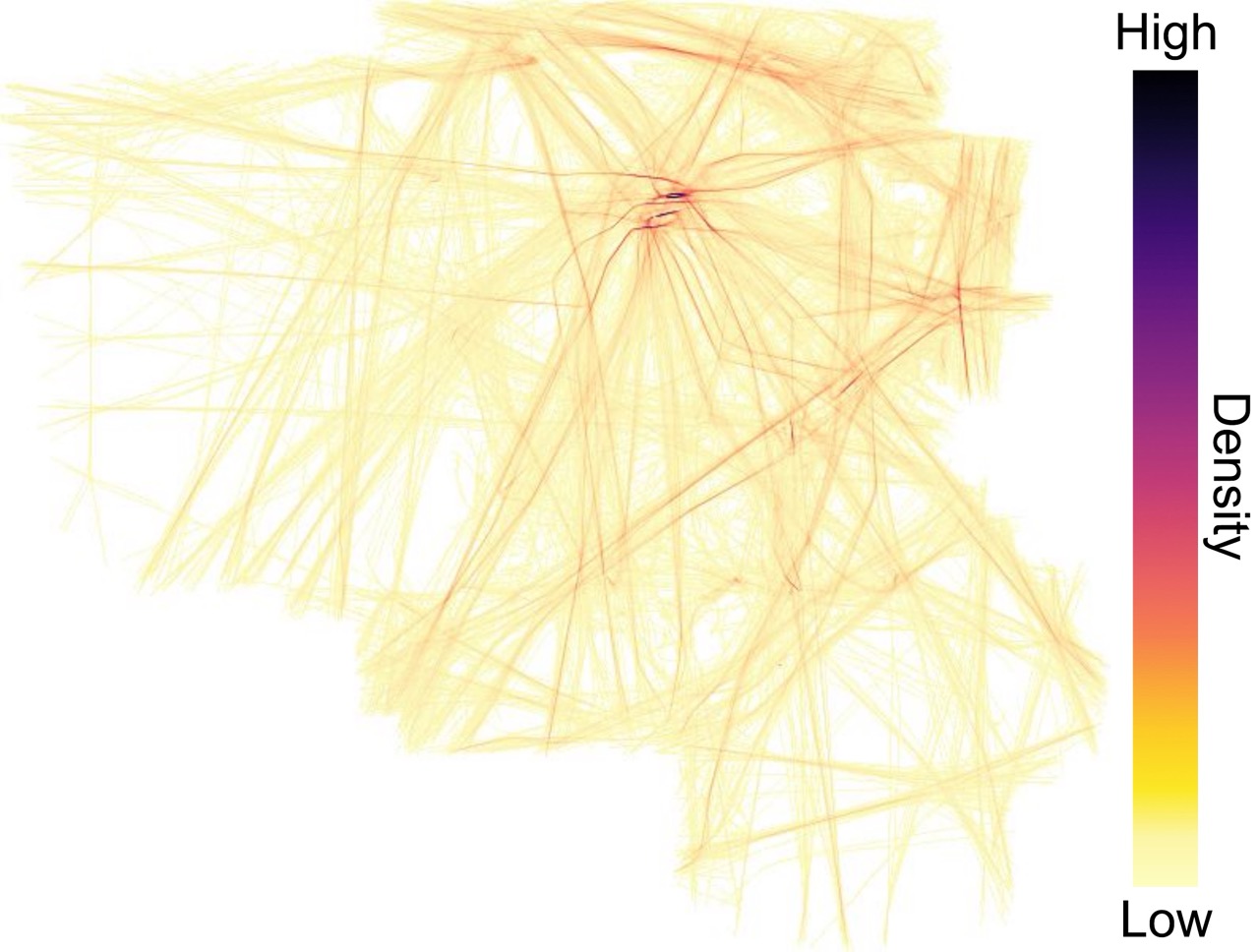
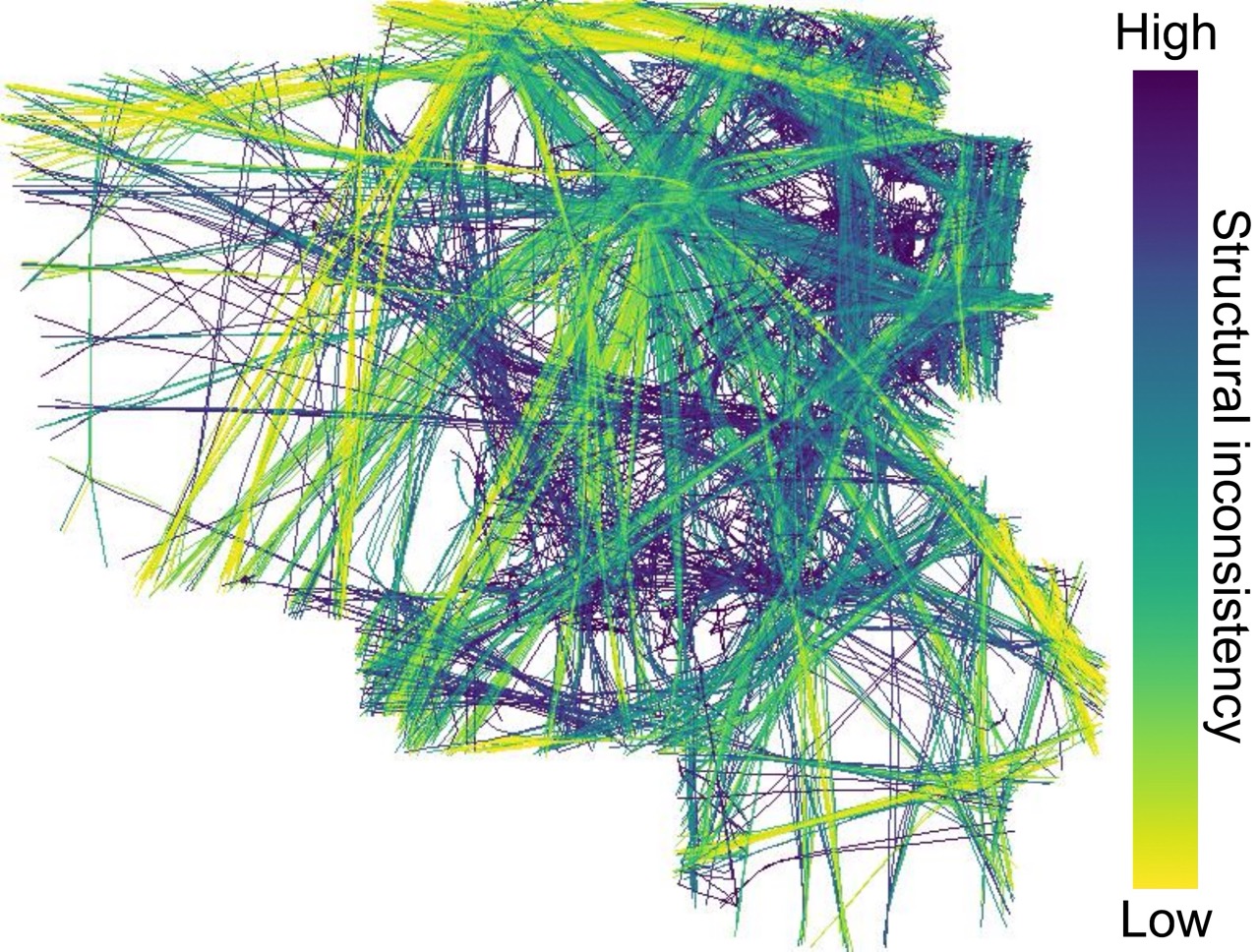
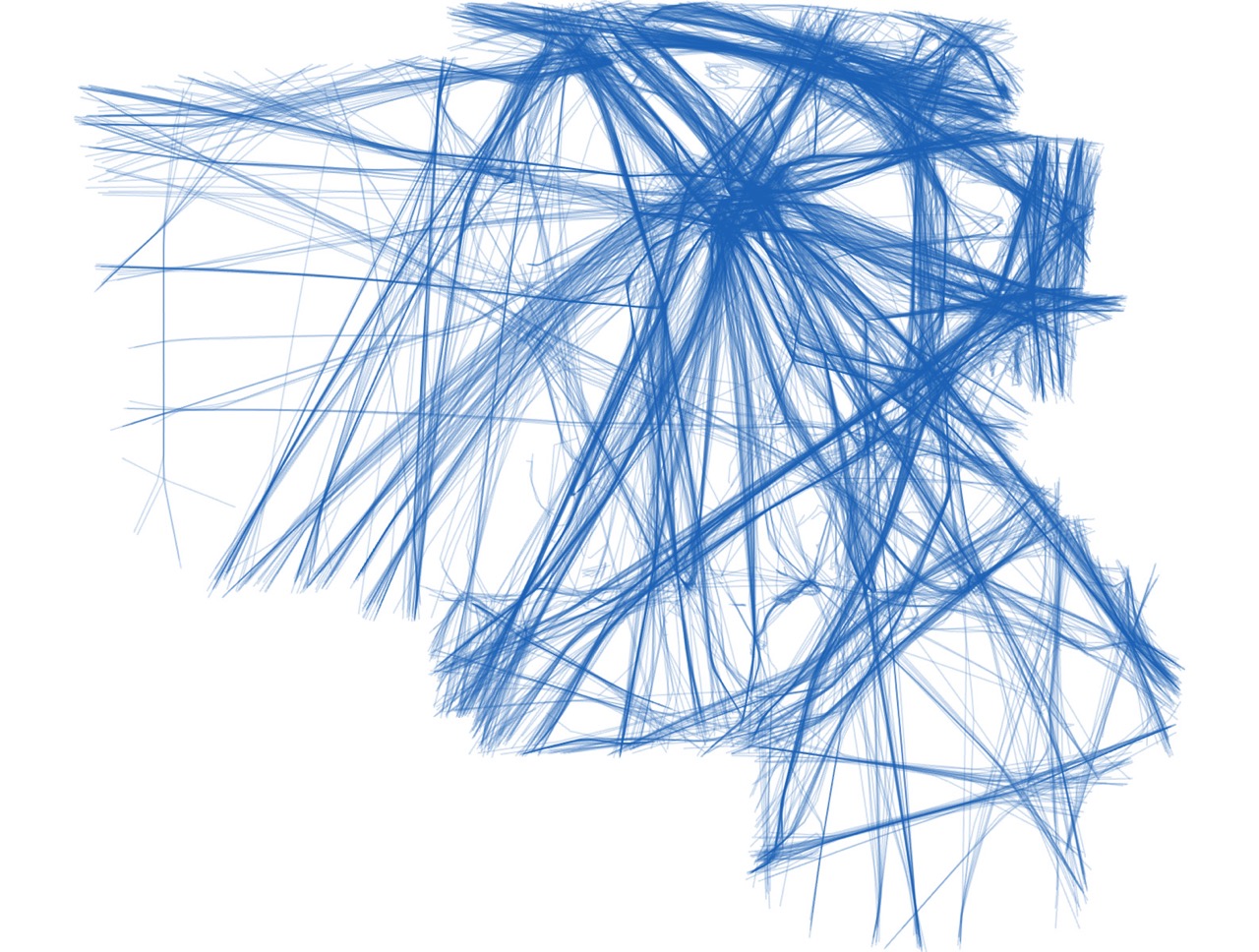
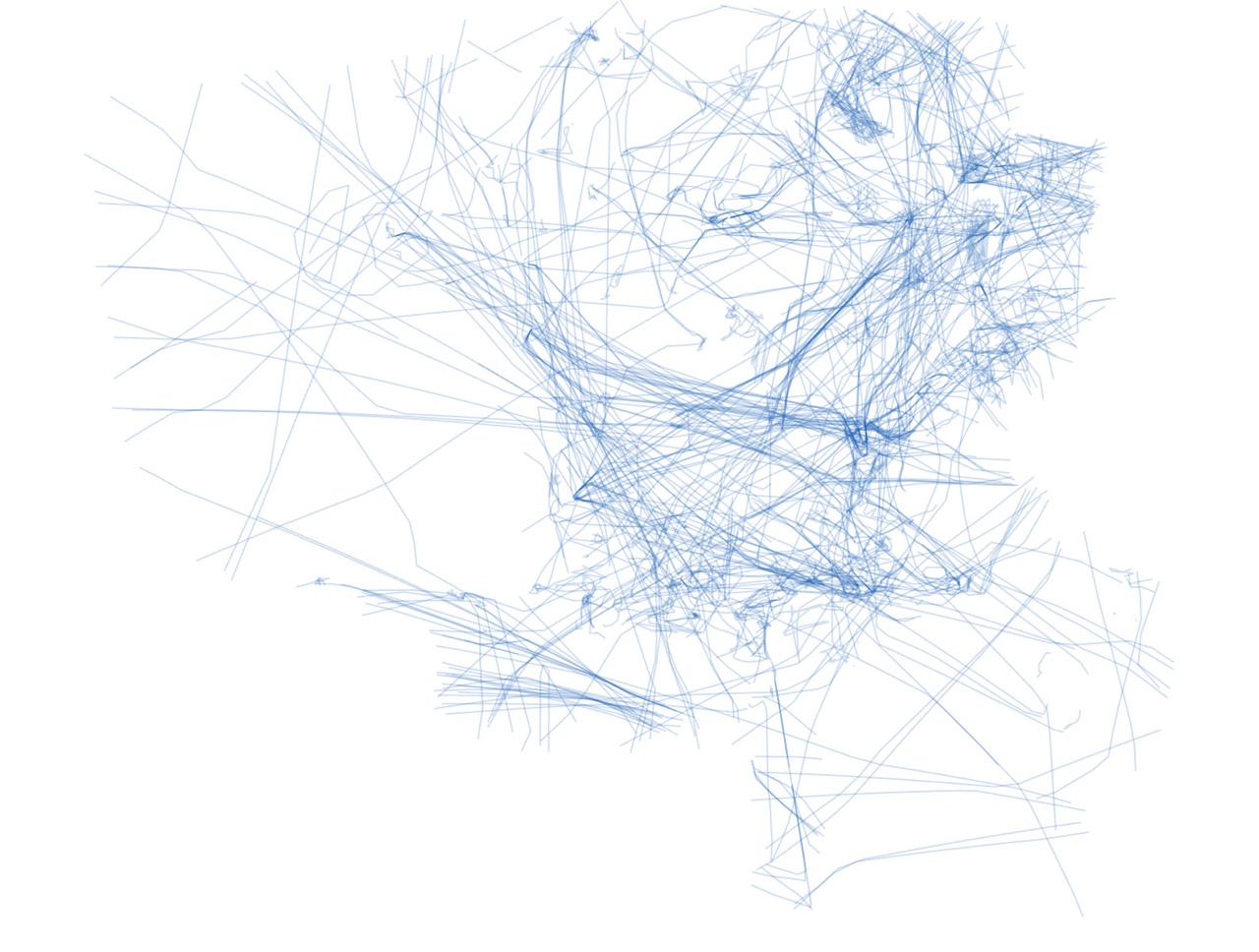
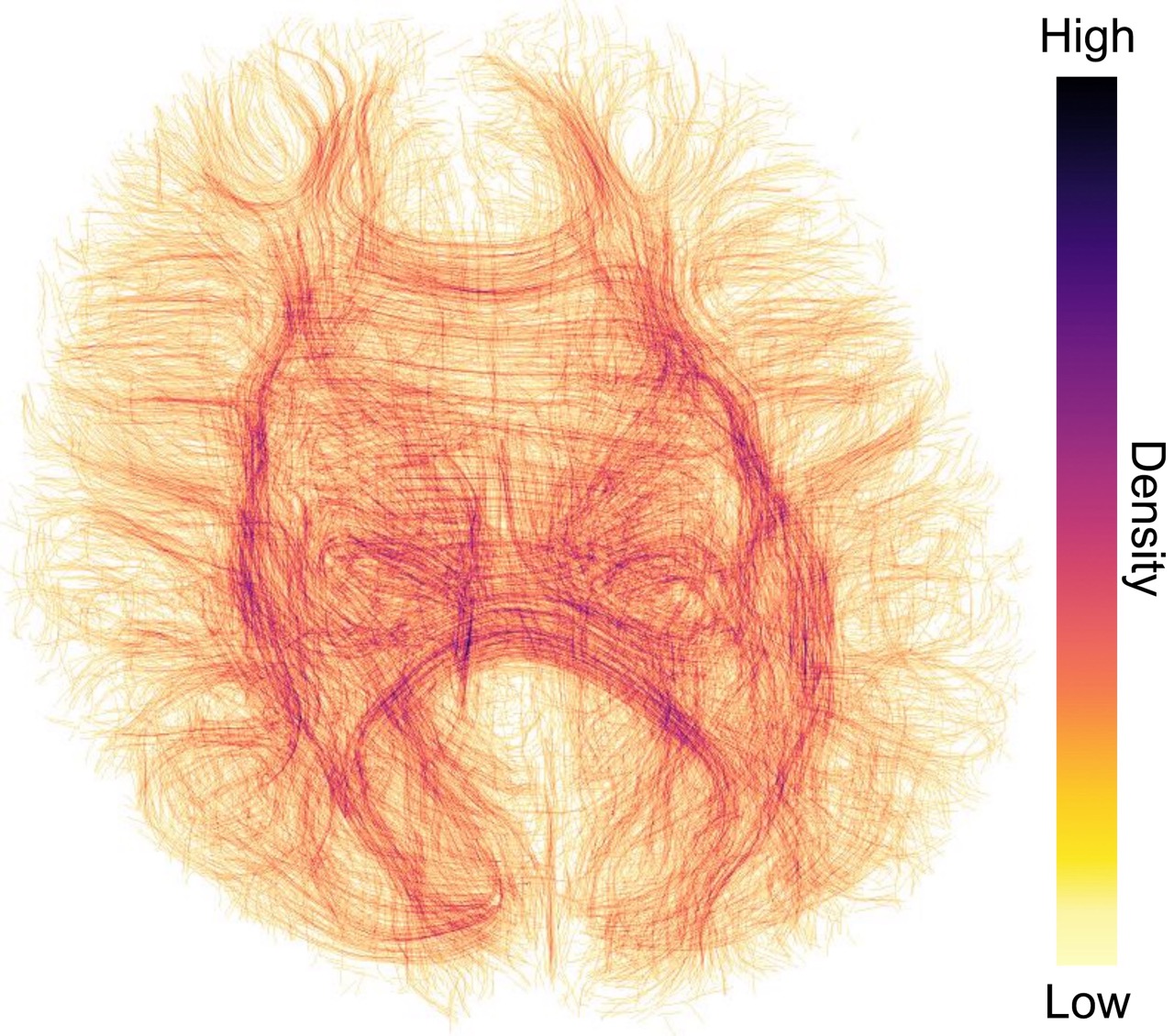
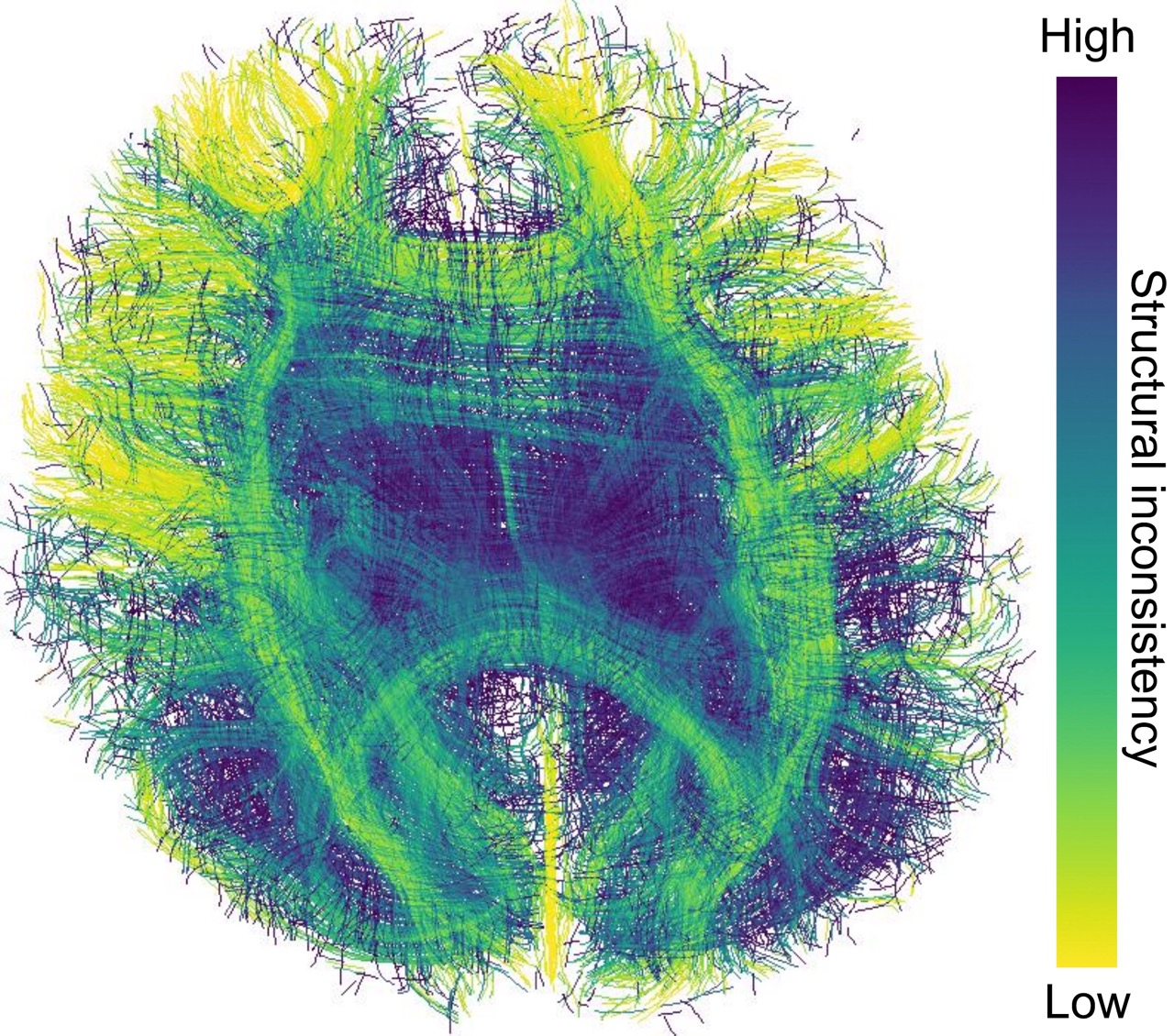
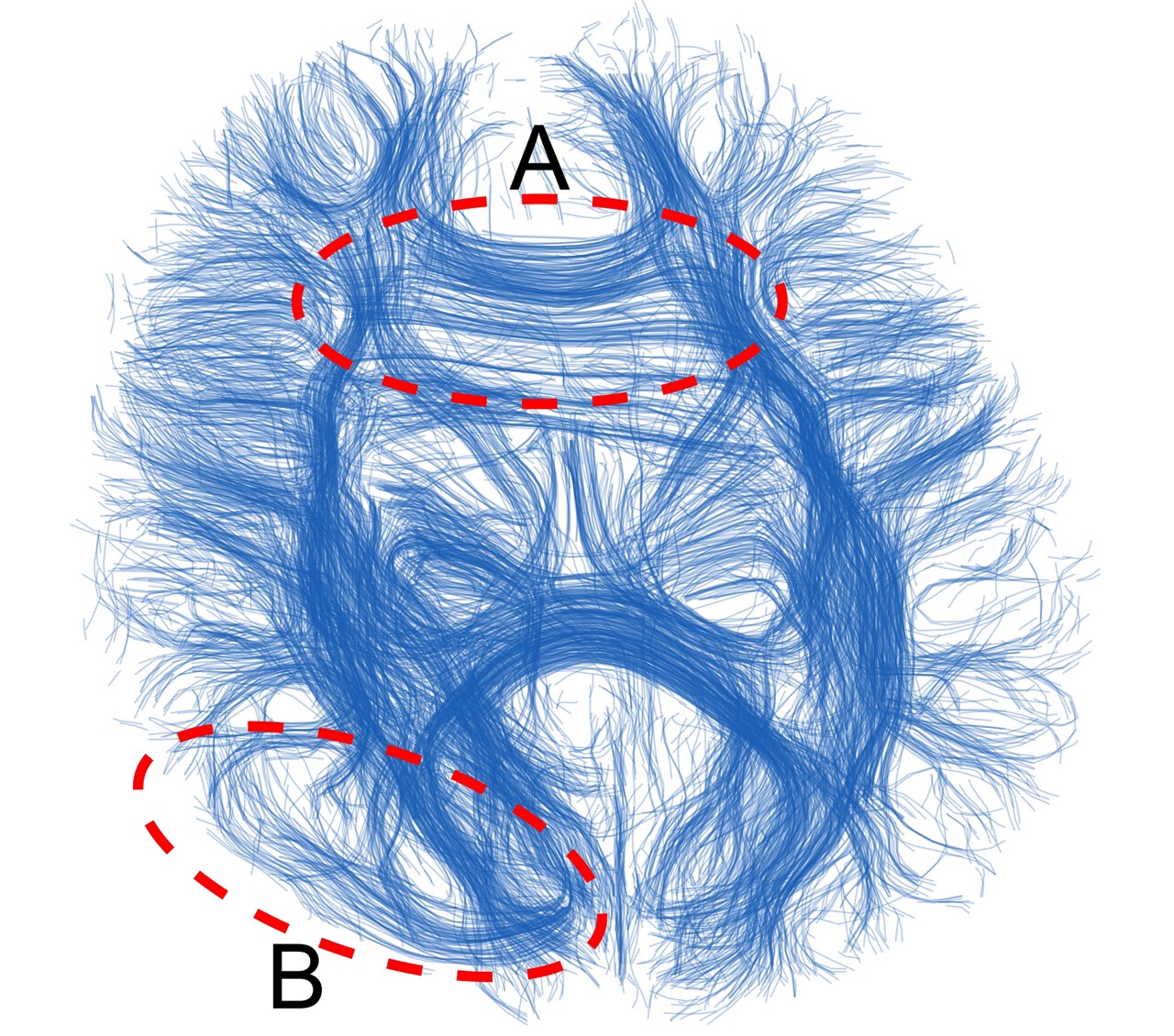
When visualizing large-scale line ensembles, trajectory continuity and visual scalability are inherently antagonistic. Trajectory-centric renderings preserve path information but rapidly degenerate into clutter, while field-based density representations improve visibility at the cost of structural coherence. We complement density-based views with a path-integrated trajectory-fidelity measure that quantifies how each trajectory agrees with its surrounding tensor field. Projecting passage-centered structural support back into image space yields a Structural Inconsistency Field, localizing where dense patterns reflect coherent structure, disagreement, outliers, or connectivity-induced ambiguity. Dynamic leave-one-out normalization reduces self-bias, while fixed-grid updates and prefix-sum evaluation enable interactive analysis and iterative extraction of coherent structures. Synthetic benchmarks, scalability analyses, and real-world case studies show that the method exposes spatially localized coherence and breakdowns concealed by density-only representations.
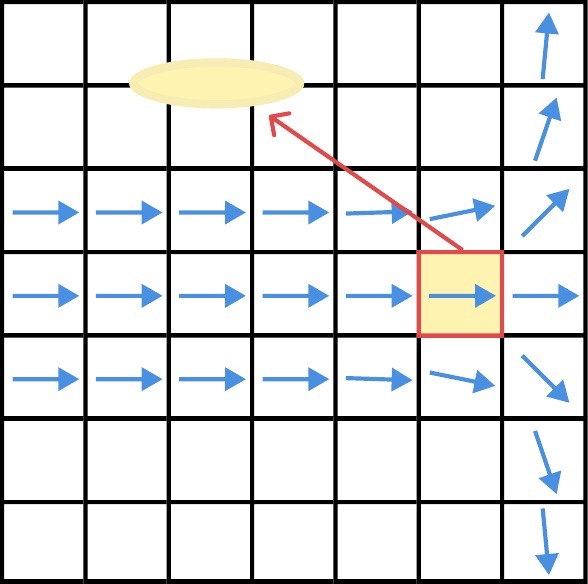
Accumulates local tangent–field agreement along each path into a trajectory-level structural support metric.
Evaluates every trajectory against its surrounding ensemble without allowing the trajectory to support itself.
Projects passage-centered support into image space to reveal where coherence persists and where it fails.
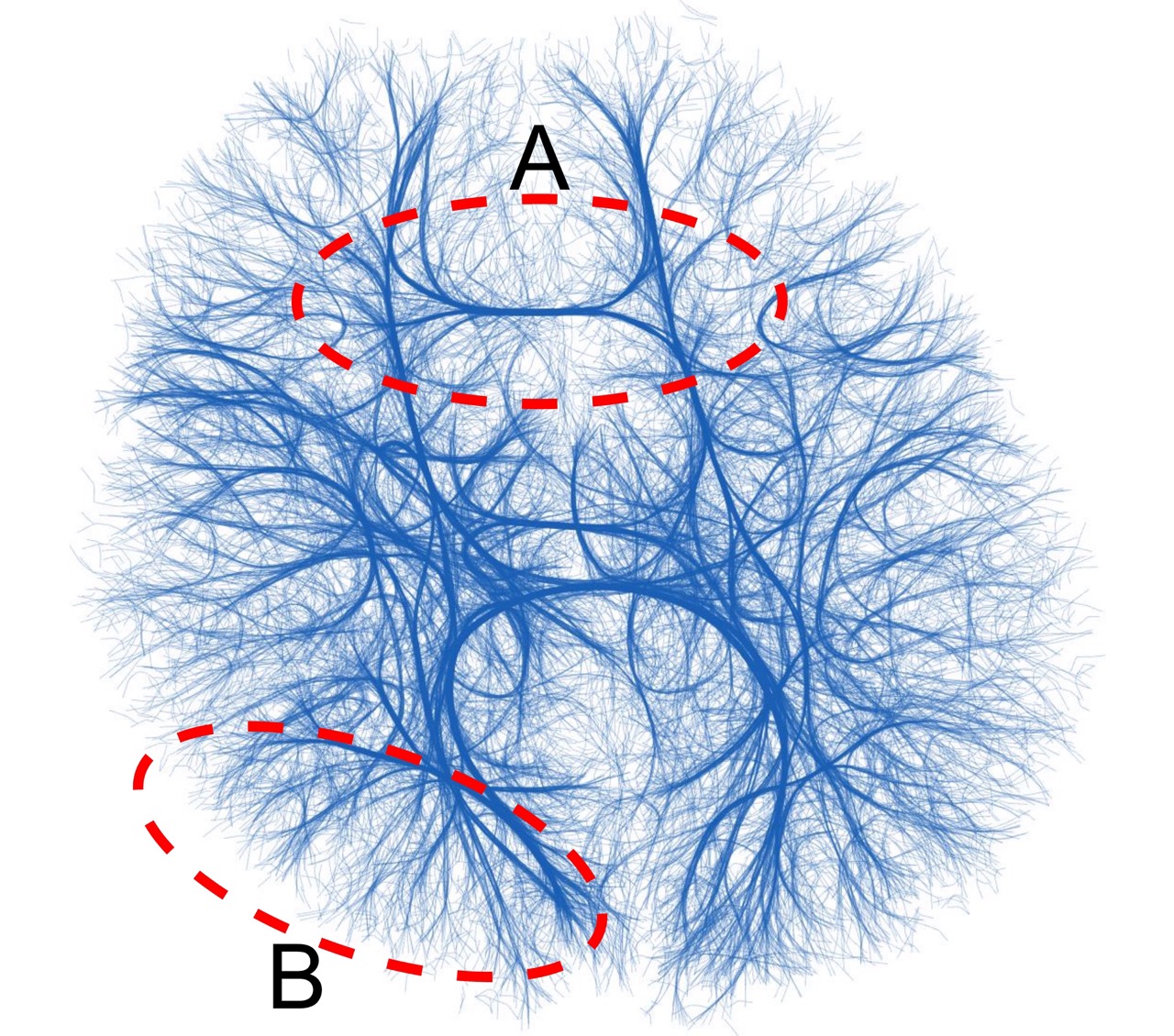
Supports interactive querying, subset extraction, removal, and re-evaluation to uncover secondary structures.
This work was funded in part by Deutsche Forschungsgemeinschaft (DFG) Project 410883423 and Project 251654672 — TRR 161 “Quantitative methods for visual computing.” Yunhai Wang was supported by the grants of NSFC (No. 62132017 and No. U2436209), the Shandong Provincial Natural Science Foundation (No. ZQ2022JQ32), the Fundamental Research Funds for the Central Universities, and the Research Funds of Renmin University of China.
Use path-integrated evidence to identify which trajectories agree—and where that agreement breaks down.
Explore the results